
University Bags: What Actually Works on Campus in 2026
There is something almost ritualistic about packing your bag before the first day of university. You are stuffing in a notebook, maybe a charger, your student ID — and somewhere between the excitement and the mild panic, you realise the bag you grabbed off the floor simply will not cut it. It is too small, the zipper sticks, and one shoulder strap sits noticeably lower than the other. Sound familiar?
University bags are quietly one of the most underestimated pieces of student kit. We spend weeks researching laptops and months debating accommodation, yet the bag that holds all of it together gets picked on a whim. That disconnect tends to catch up with students — usually around Week 4, when the back aches start and the main compartment zip gives out mid-commute.
This guide is an attempt to fix that. It covers what actually matters when choosing a university bag, which types suit which lifestyles, and why — for students in Bangladesh particularly — manufacturers like SIHA Bag Factory are worth paying attention to.
Why the Bag You Carry May Matter More Than You Realise
Most students figure they can manage with whatever bag they have lying around. And technically, they can — right up until they cannot. The problems tend to appear gradually. A textbook corner that pokes into your spine on a forty-minute commute. A single unpadded strap that leaves your shoulder sore by noon. A bag with no inner structure that turns into a chaotic abyss where your pen and your student card share a graveyard with last week’s lecture printouts.
A bag that actually fits your routine can do a few things that go unnoticed until they are absent:
- It keeps your laptop and fragile electronics from absorbing every knock and jostle
- It spreads weight across your body in a way that does not leave you hunching by mid-afternoon
- It lets you find things quickly — which sounds minor until you are five minutes late to a seminar
- It holds up across four or five years of daily use, sparing you the cycle of cheap replacements
- And yes, it is part of how you present yourself, which matters more on a campus than people like to admit
None of this is to say you need to spend a fortune. The point is simply that the decision deserves more than thirty seconds of thought.
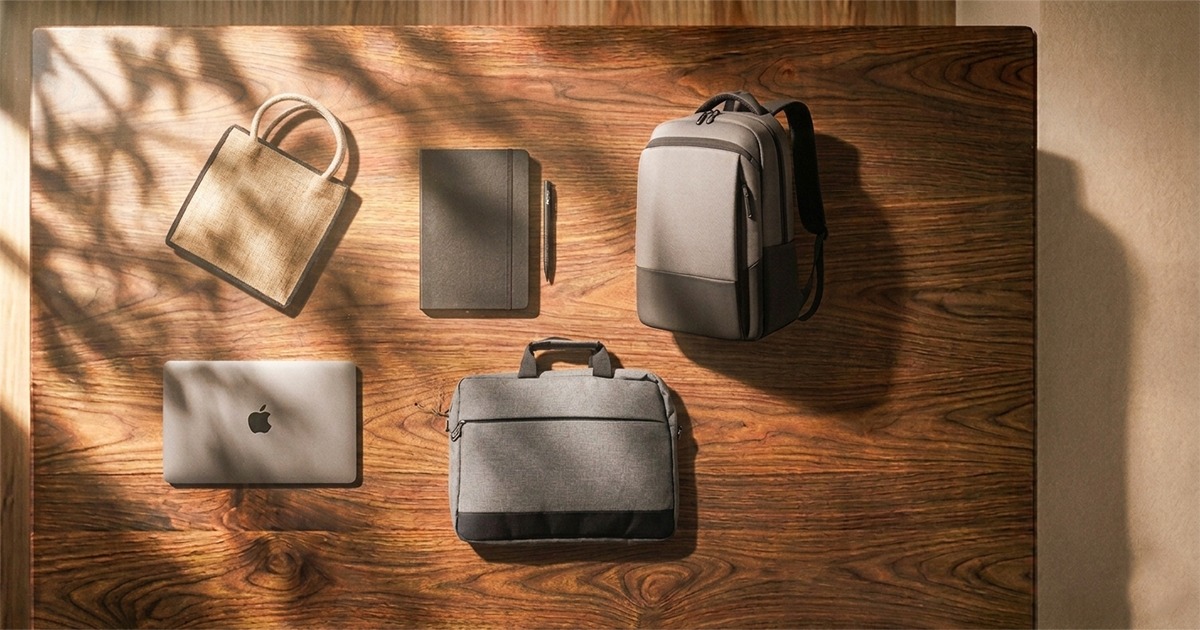
The Main Types of University Bags — and Who They Actually Suit
The word ‘bag’ covers a lot of ground. Before settling on one, it helps to know which category you are actually shopping in.
Backpacks
The default choice for a reason. Backpacks divide weight between both shoulders, which makes a real difference when you are carrying a laptop, two textbooks, a water bottle, and whatever else ends up in there by Week 2. The better models come with a padded back panel and adjustable straps, not just as a comfort feature but as a minor contribution to spinal health over years of daily use. They are not glamorous, but they work — and for most students, that is the point.
Messenger Bags and Sling Bags
More of a style statement than a workhorse option, though that is not necessarily a knock. If you are carrying a tablet, a sketchbook, and not much else, a messenger bag worn across the body can be perfectly practical. Art students, journalism students, and people who live lighter tend to lean toward these. The caveat is the single-shoulder load, which becomes uncomfortable quickly once weight exceeds about four or five kilograms.
Tote Bags
Often dismissed as casual or unserious, tote bags are actually underrated for certain use cases. Their open structure makes them ideal as a secondary carry — throw in some printouts, a folder, and a library book alongside a smaller primary bag. Canvas totes are among the more environmentally sensible options given how long they tend to last with minimal care. Just do not try to carry a laptop in one without a padded sleeve inside.
Laptop Bags and Sleeves
As university work has shifted increasingly to digital formats, the laptop has gone from optional to near-essential. A dedicated laptop bag or padded sleeve addresses one specific but important problem: protecting a piece of equipment that typically costs more than everything else in the bag combined. Sleeves slot neatly into a larger backpack. Structured laptop bags tend to project a slightly more professional image, which matters if you are heading to an internship straight from campus.
Rolling Backpacks
Less fashionable than they were a decade ago, but still a sensible option for students carrying genuinely heavy loads — medical textbooks, engineering equipment, architectural portfolios. Worth considering if your back already gives you trouble, even if campus opinion on them has softened.
What to Actually Look at When You Are Buying
Bag listings are full of vague superlatives. Here is what to pay attention to instead.
Capacity
Think honestly about what you carry on a typical day — not your lightest day, and not your heaviest. Science and engineering students with lab equipment and thick textbooks generally need 30 litres or more. Someone doing a humanities degree might find 20 to 22 litres more than enough. Buying more capacity than you need just means carrying extra bag weight for no benefit.
Material
This matters more than most people realise. University bags contend with rain, crowded buses, the occasional spill, and daily abrasion. Nylon and polyester hold up well against moisture and light scuffing. Canvas is breathable and ages decently. Leather, if the quality is there, can outlast every other option but requires occasional care. What to avoid is thin, lightweight synthetic fabric that looks presentable in a photo but starts pilling and fraying within a semester.
Interior Layout
An organised bag genuinely changes daily life. A padded laptop sleeve, a couple of accessible front pockets for your phone and ID, and a main compartment that fits A4 folders without bending them — those are the basics. Whether you need more than that depends on how much you carry. What rarely helps is an excess of small, identically sized pockets that all end up full of forgotten receipts.
Straps and Back Support
The straps are where budget bags cut corners most visibly. Thin, unpadded straps dig in after about twenty minutes of walking. Look for wide, padded straps with a sternum clip — that little connector across the chest does a surprising amount of work in distributing load. A contoured back panel with some airflow also helps on warmer days, which is relevant for students in Bangladesh where campus life in summer can be genuinely punishing.
Zippers
Cheap zippers are almost always the first thing to fail. YKK is the benchmark — they are used across a wide price range and tend to last. A zipper that jams or splits after six months on a bag you carry every day is more than an inconvenience; it can mean the difference between a bag that lasts a year and one that lasts four. Double pulls on the main compartment are worth having.
Style
This is not trivial. You carry this bag every day, and if you dislike looking at it, you are less likely to take care of it. The range of what passes as ‘appropriate’ on a university campus is wide — minimalist black canvas, bold prints, weathered leather, technical-looking nylon with buckles and loops everywhere. Find something you would actually reach for without thinking twice.
What Different Departments Tend to Need
Department matters because the daily carry changes significantly depending on your field. A few honest breakdowns:
Engineering and Science
The load tends to be heavy — thick textbooks, lab notebooks, and often a laptop for simulation work. A high-capacity backpack with proper lumbar support and at least one water-resistant compartment is probably the most sensible choice. Water resistance is worth prioritising if you are cycling or walking across campus.
Business and Commerce
The dual-context problem here is real: you need something that works in a seminar room and looks appropriate at a client meeting or internship. A structured backpack in a neutral colour, or a leather messenger bag for lighter days, tends to bridge that gap without looking like you tried too hard in either direction.
Arts and Design
Sketchbooks, A3 paper, drawing tablets, and markers do not fit neatly into standard compartments. Space and accessibility matter more here than organisation. A wide-opening tote or shoulder bag that can take irregular-shaped items without forcing them will serve better than a tightly compartmentalised backpack.
Medicine and Health Sciences
Heavy textbooks, stethoscopes, and often clinical placement equipment mean both weight and hygiene are relevant. Wipe-clean linings are worth seeking out. Antimicrobial fabric does exist at the higher end and may be worth considering for students moving between clinical and classroom settings.
Computer Science and IT
Multiple devices — laptop, sometimes a secondary tablet, cables, a portable hard drive — and the need to keep them accessible without digging. A backpack with dedicated device sleeves and internal cable routing makes a noticeable difference. A built-in USB pass-through port is convenient though not strictly necessary.
Taking Care of It Once You Have It
A well-made bag can reasonably last through an entire undergraduate degree — sometimes longer. Whether it does depends partly on how you treat it. A few habits that make a real difference:
- Empty it out at least once a week. Moisture, food crumbs, and forgotten damp towels accelerate wear from the inside out.
- Spot clean marks quickly. A damp cloth and mild soap handle most stains without damaging the fabric. The longer a stain sits, the harder it is to shift.
- Do not consistently overstuff it. Seams and zippers have weight limits, and regularly exceeding them shows.
- Keep it out of direct sunlight during storage. UV exposure fades fabric and degrades synthetic fibres over time.
- A waterproofing spray applied every few months gives fabric bags a reasonable line of defence against rain.
- Check the strap attachment points occasionally. That is typically where stress fractures start, and catching them early is much cheaper than replacing the bag.
- Most padded bags should not go in a washing machine. Follow the manufacturer’s care label — or risk the padding clumping into a useless mass.
SIHA Bag Factory: A Bangladesh Manufacturer Worth Knowing
For students in Bangladesh shopping for university bags, the market can feel overwhelming — a mix of imported brands at eye-watering prices, and cheaper local options that do not always hold up. SIHA Bag Factory sits in a different category — a Bangladeshi manufacturer producing bags with enough attention to construction detail that they genuinely compete on quality, not just price.
The context matters here. Bangladesh’s climate — humid summers, heavy monsoon rainfall, warm temperatures most of the year — puts different demands on a bag than somewhere temperate. SIHA Bag Factory appears to understand this. Their university bag range addresses practical local realities: water-resistant materials, breathable back panels, and construction that holds up to the kind of daily commuting that Dhaka students, in particular, know well.
What Makes Them Worth Considering
Construction quality
SIHA Bag Factory uses fabrics and hardware — including zipper quality — that sit above what you typically get at this price point from import resellers. That reflects in how long the bags hold together.
Designed for student use
The layouts in their university bags suggest they were actually thought through: laptop compartments with proper padding, front pockets positioned for quick access, and strapping systems that work for someone carrying a full day’s worth of materials.
Pricing without the retail markup
Buying directly from a manufacturer rather than through a retailer usually shows in the price. SIHA Bag Factory‘s direct model means students can access better quality at more realistic student budgets.
Product range
They are not a one-bag manufacturer. The range covers backpacks, messenger styles, and other formats — enough that different student types can find something that fits their carry.
Local manufacturing
There is an argument for supporting Bangladeshi industry where the quality actually warrants it, rather than paying a premium for an imported brand name. SIHA Bag Factory appears to be one of the cases where that argument holds up.
Institutional orders
SIHA Bag Factory also handles bulk orders for universities, schools, and organisations requiring custom branding. For institutions looking to provide students or staff with functional, well-made bags at scale, this is worth exploring.
Sustainability: What It Means in Practice for University Bags
There is a growing appetite among university students for products that sit lighter on the environment, and bags are part of that conversation. Eco-labelled bags — made from recycled PET bottles, organic cotton, or responsibly sourced materials — are more widely available now than they were five years ago.
If this matters to you, certifications like GOTS or OEKO-TEX at least provide some independent verification rather than relying on manufacturer claims. That said, the most straightforwardly sustainable choice is probably simpler than it sounds: buy a bag that is well-made enough to last four or five years, rather than a fashionable but flimsy one that gets replaced every other semester. The environmental cost of manufacturing a bag is front-loaded — durability is, practically speaking, the most meaningful sustainability variable.
Getting the Most Out of a Limited Budget
Student finances are a real constraint, and the bag market is not always honest about value. A few things that may help:
- Decide your actual budget before browsing — it is surprisingly easy to drift upward once you start looking at features.
- Weight the durability question carefully. A bag at twice the price that lasts four years costs less per semester than a cheap one replaced annually.
- Manufacturer-direct purchases, like buying from SIHA Bag Factory, tend to offer better value than retailer-marked-up equivalents.
- End-of-year sales and academic intake promotions are worth timing your purchase around.
- Ask second- or third-year students what they are using. That kind of real-use feedback is more reliable than product listings.
- Check return policies before buying online — you want the option to send it back if the strap system does not work for your build.
- Second-hand is a legitimate option, but inspect the zippers and strap attachment points before committing.
Where University Bags Are Heading
Technology has started working its way into bag design at a pace that would have seemed strange ten years ago. Built-in USB charging ports connected to an internal battery, RFID-blocking pockets to protect contactless cards, GPS tracking for the chronically forgetful, and solar panels stitched into the back panel for off-grid charging — these features exist across different models now, at varying price points.
Whether they represent genuine utility or premium pricing for features most students will rarely use is debatable. A USB port is straightforwardly useful; a fingerprint lock probably less so for a university bag. The more interesting direction may be material science — lighter, stronger, more weather-resistant fabrics that reduce the weight penalty of carrying protection. As manufacturers across Bangladesh and internationally continue iterating on design, the gap between a well-made affordable bag and an overpriced imported one is narrowing.
The Upshot
Choosing a university bag does not need to be complicated, but it does deserve a bit more thought than most students give it. The right bag — one that fits your actual carry, supports your back, holds together across the years, and does not make you wince when you look at it — makes a quiet but real difference to daily campus life.
For students in Bangladesh, SIHA Bag Factory is one of the more credible local options — a manufacturer whose approach to construction and design suggests they understand what students actually need from a bag, not just what sounds good in a product description.
What size bag do I need for university?
It depends on your course. Science and engineering students carrying heavy textbooks and lab equipment generally need 30 litres or more. Humanities students can usually manage with 20 to 22 litres. Think about your typical day — not your lightest or heaviest — and size accordingly.